The Philosophy of Growing Food
Towards Ecological, Cultural and Community Resilience
At Soil Collective Foundation, we understand food production not merely as an agricultural activity, but as a complex social, ecological, cultural and economic practice. Growing food is a way of relating to land, negotiating with ecological processes, transmitting knowledge, sustaining livelihoods and producing forms of collective memory. Our work emerges from the recognition that agriculture is situated at the intersection of ecology and society, and that the condition of food systems is inseparable from the condition of the landscapes and communities that sustain them.
The philosophy of our Growing Food movement is rooted in a fundamental proposition: food systems should be understood as living relationships rather than linear systems of production and consumption. Seed, soil, water, biodiversity, labour, knowledge, culture and markets are interconnected components of these relationships. To intervene in one inevitably affects the others.
Our approach therefore seeks to bring together agroecology, indigenous and local knowledge, biodiversity conservation, food sovereignty, community-led research, ecological education, artistic practice and rural livelihoods. Rather than treating these as separate fields, we consider them mutually constitutive dimensions of a resilient food system.
Agriculture as an Ecological Knowledge System
Agriculture is often understood primarily through productivity, yield and technological efficiency. While these dimensions are important, such an understanding can obscure the knowledge systems through which communities have historically adapted agriculture to particular landscapes.
Across Northeast India, indigenous and rural communities have developed highly contextual forms of agricultural knowledge through long-term engagement with forests, rivers, soils, rainfall patterns, seasonal cycles and local biodiversity. Such knowledge is frequently transmitted orally and practically rather than through formal institutions. It is embedded in cultivation techniques, seed selection, food preparation, ritual practices, language and collective memory.
Soil Collective Foundation considers these practices to constitute forms of situated ecological knowledge.
Such knowledge is neither static nor inherently opposed to scientific knowledge. Rather, we see value in creating spaces where local knowledge, contemporary ecological science and artistic inquiry can encounter one another. The objective is not to romanticise traditional agriculture, but to examine critically what forms of knowledge remain relevant, what has been lost, what is changing and what new possibilities can emerge through dialogue.
Our work therefore places the farmer not merely as a producer of agricultural commodities, but as a knowledge-holder and active participant in ecological research.
Soil as a Living System
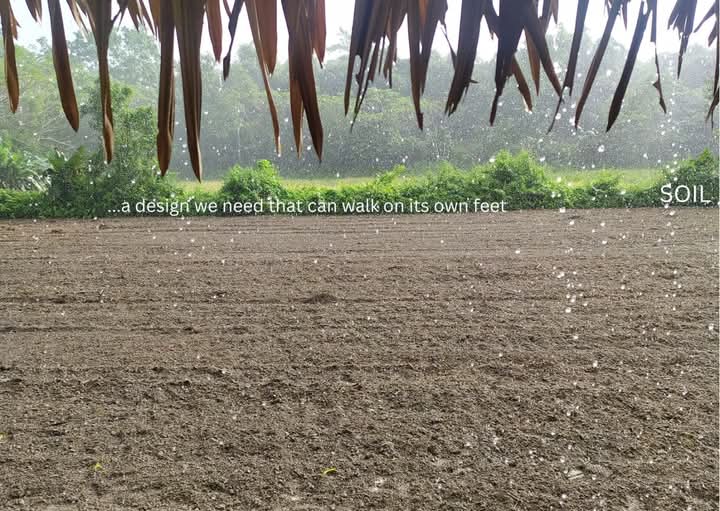
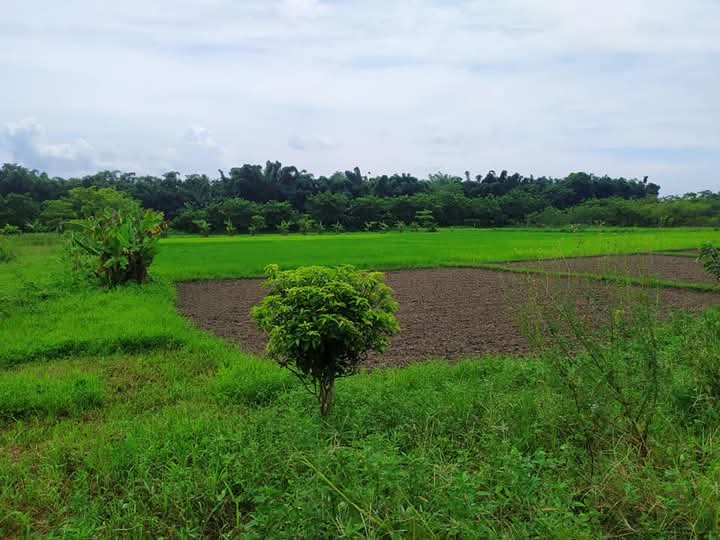
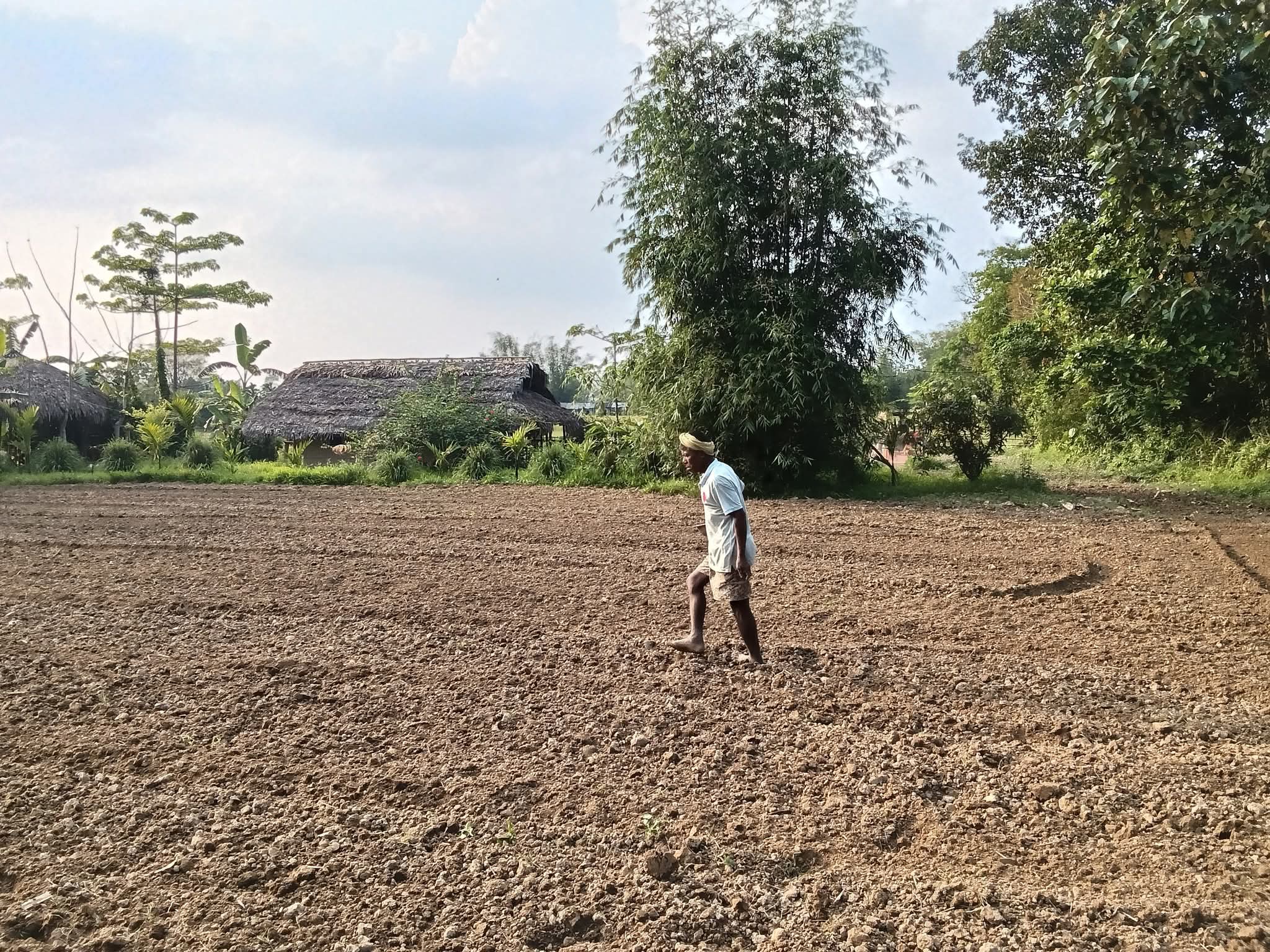
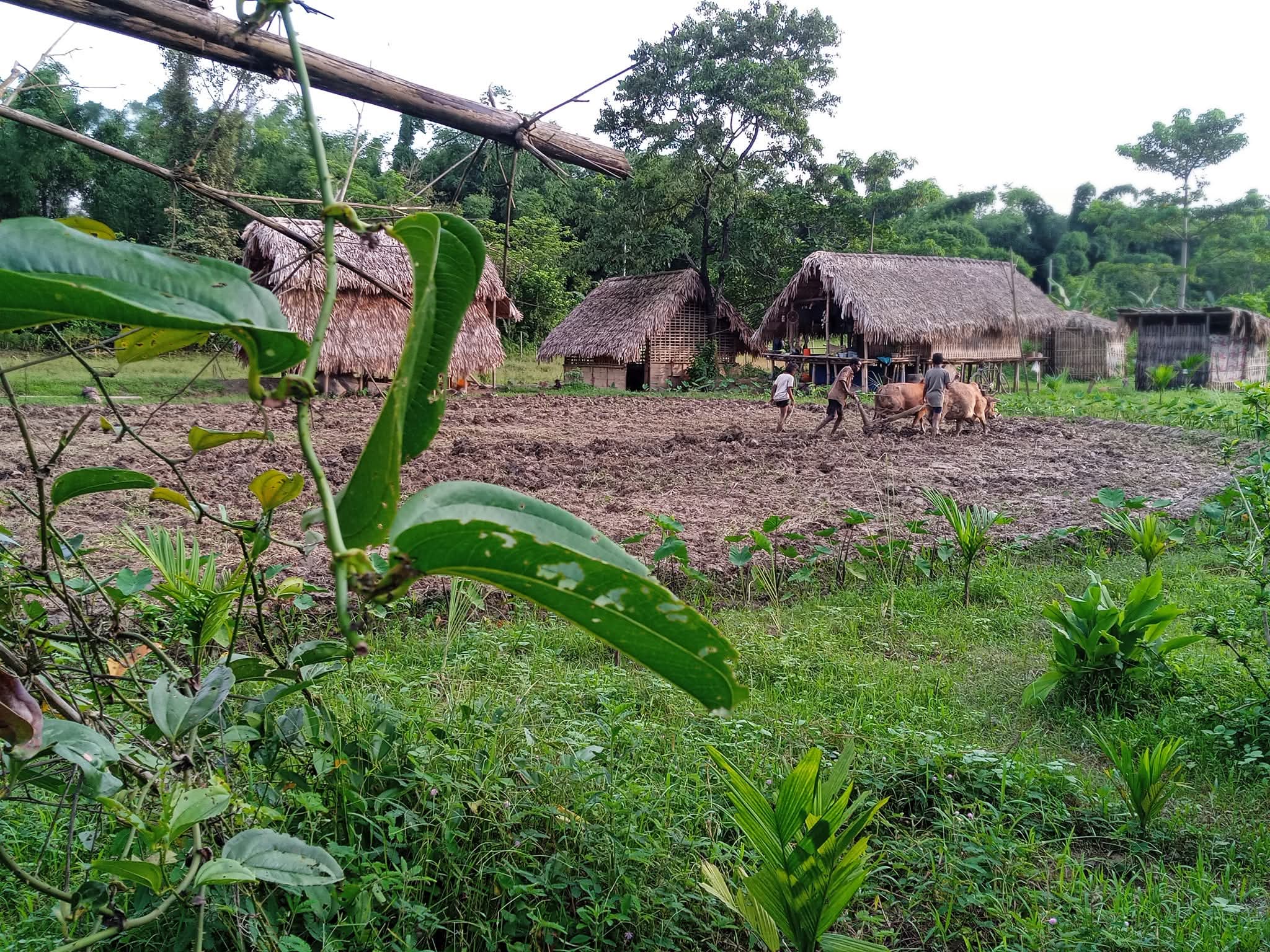
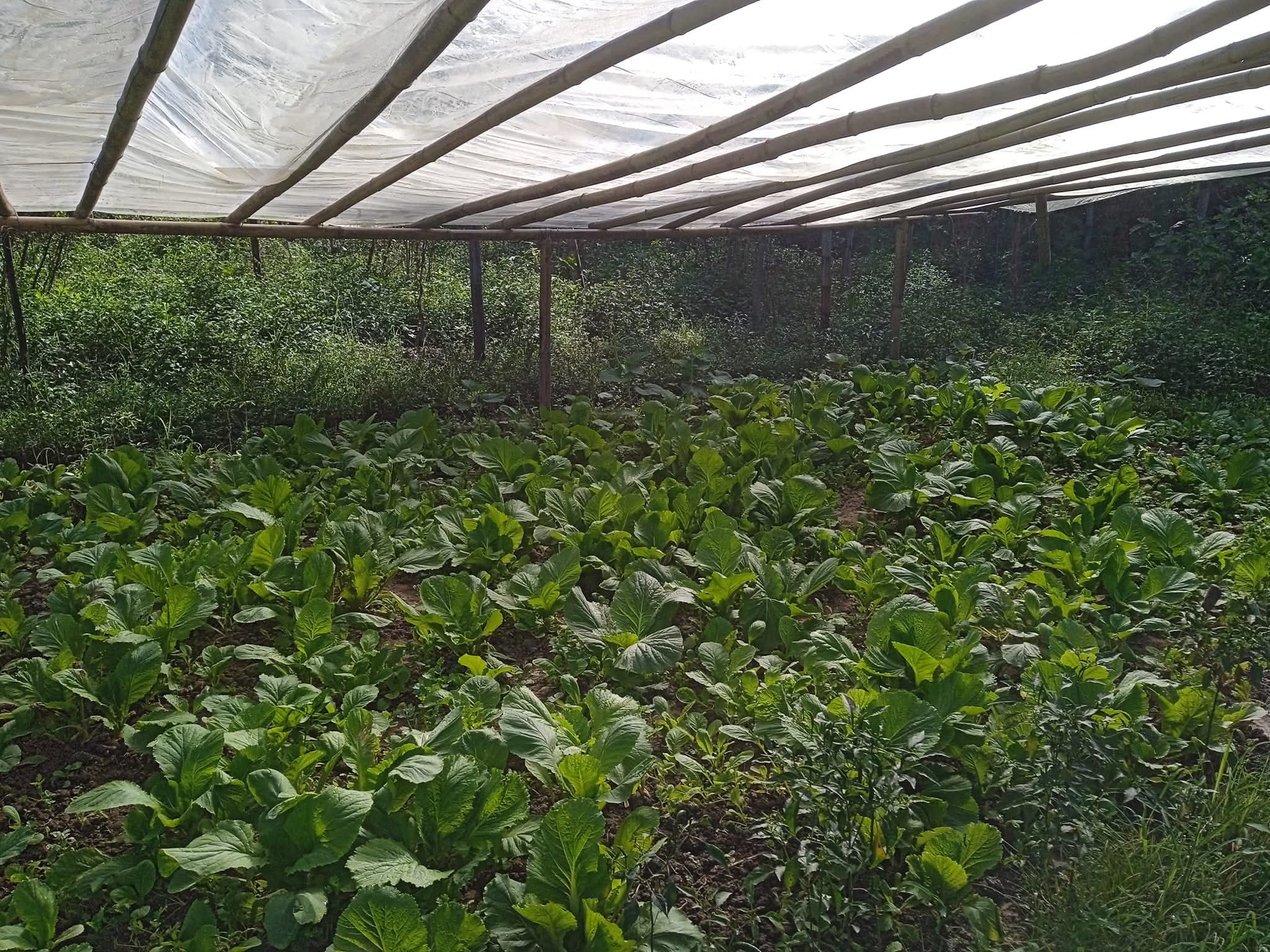
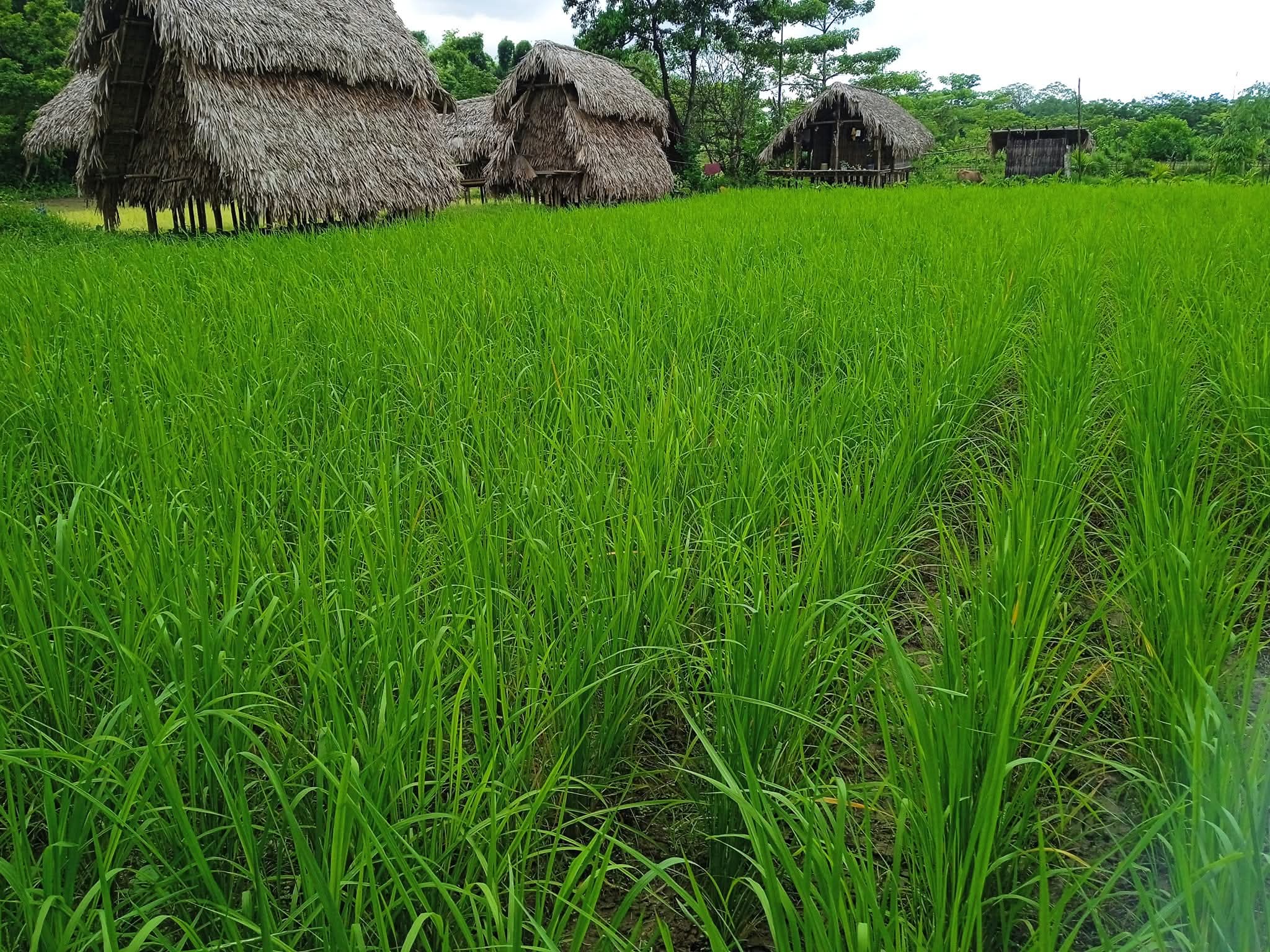
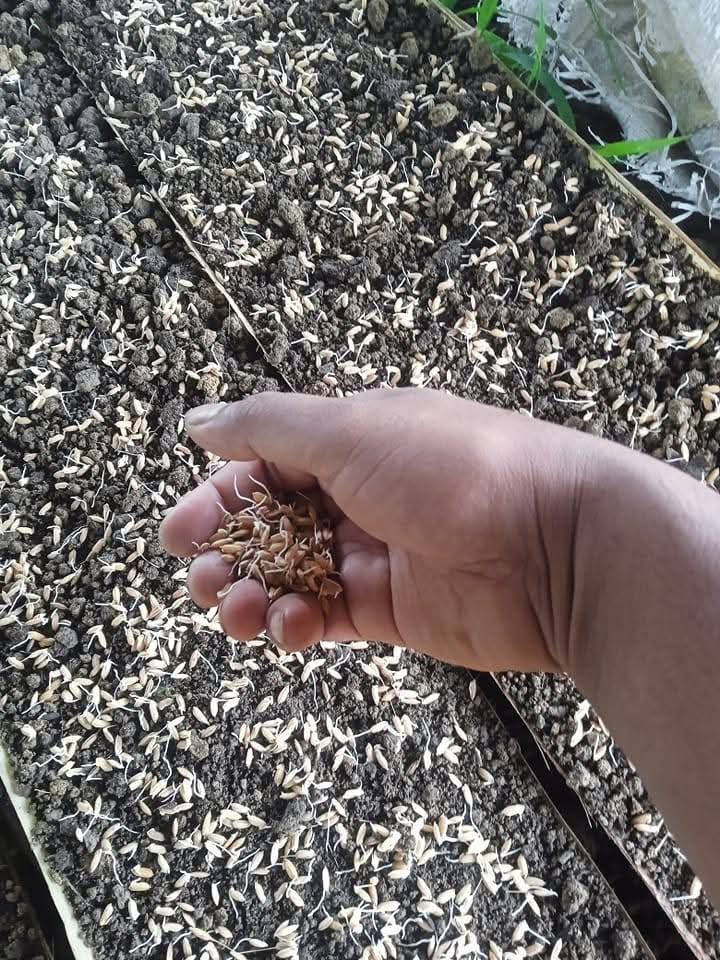
The concept of soil occupies a central position in our philosophy.
Soil is conventionally treated as an agricultural medium into which external inputs are introduced to produce crops. An ecological understanding, however, recognises soil as a dynamic living system composed of organic matter, microorganisms, fungi, minerals, water, roots and countless other interactions.
Soil health is therefore inseparable from agricultural resilience.
Practices that contribute to soil erosion, depletion of organic matter, excessive chemical dependence, loss of biodiversity and degradation of water systems ultimately weaken the ecological foundations of food production. Conversely, practices that build soil fertility, retain moisture, increase biological diversity and strengthen ecological relationships can contribute to greater resilience under conditions of climatic uncertainty.
Our interest in agroecology emerges from this understanding. We explore low-external-input cultivation, biodiversity-based farming, agroforestry, mixed cropping, indigenous agricultural practices, seed conservation and soil-centred approaches as possible pathways towards more resilient food systems.
We recognise that no agricultural model can be universally prescribed. Agroecological practice must remain responsive to particular landscapes, cultures and socioeconomic conditions.
Seeds, Biodiversity and Food Sovereignty
Seed diversity is fundamental to resilient agriculture.
Local and indigenous crop varieties represent the accumulated outcomes of generations of farmer selection and adaptation. Their characteristics are often closely related to particular ecological conditions, culinary preferences and cultural practices. The disappearance of these varieties therefore represents not only a loss of genetic diversity, but also a loss of agricultural knowledge and cultural memory.
Our community seed work seeks to strengthen the conservation, exchange and continued cultivation of locally adapted varieties.
This is connected to the broader principle of food sovereignty—the capacity of communities to exercise greater agency over the food systems upon which they depend. Food sovereignty extends beyond access to food. It concerns who controls seeds, land, knowledge, production, distribution and the cultural meanings attached to food.
We therefore seek to create conditions in which farmers and communities can maintain meaningful relationships with their seeds and agricultural knowledge rather than becoming entirely dependent upon external systems of production.
The Politics of Overlooked Crops
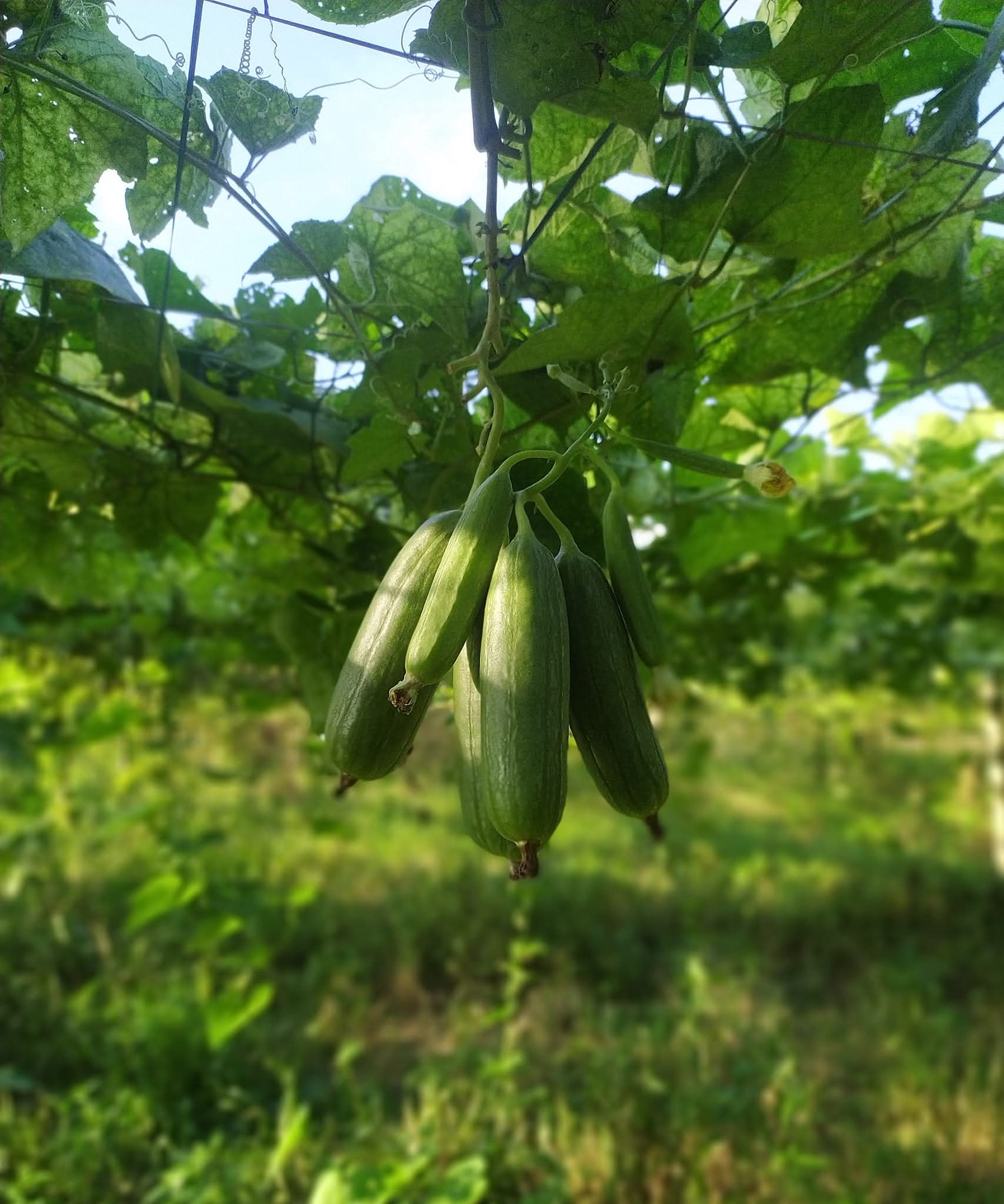
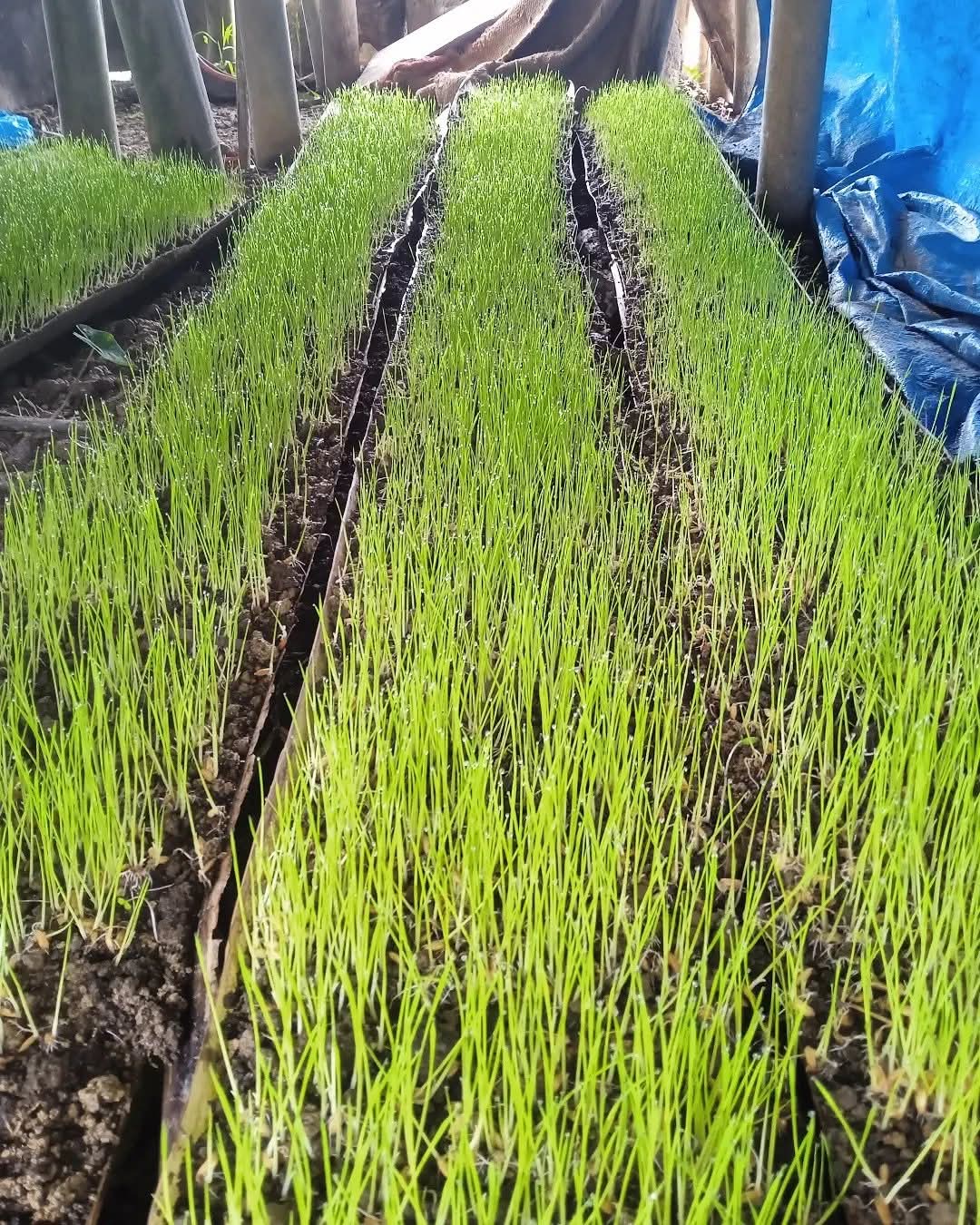
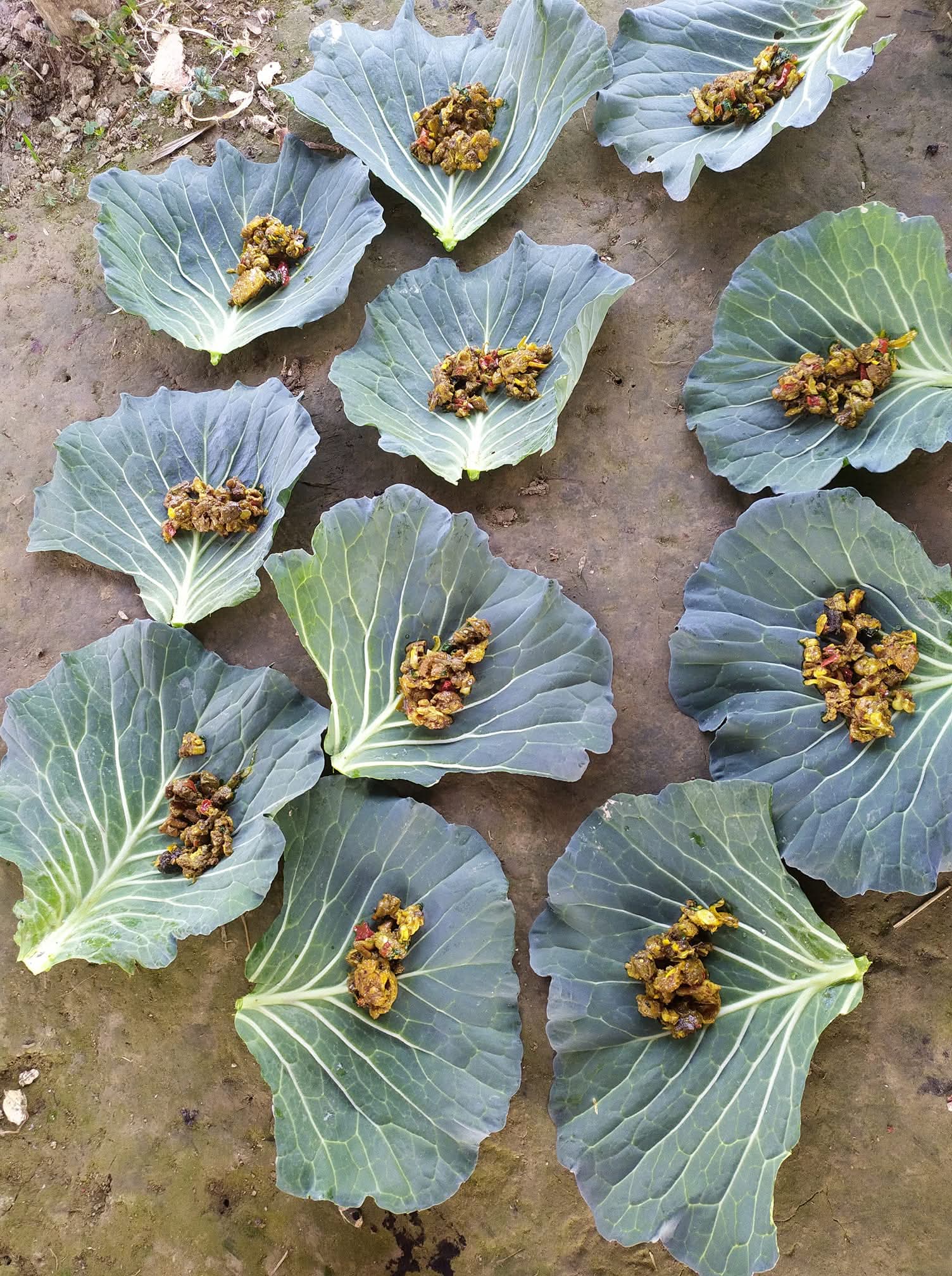
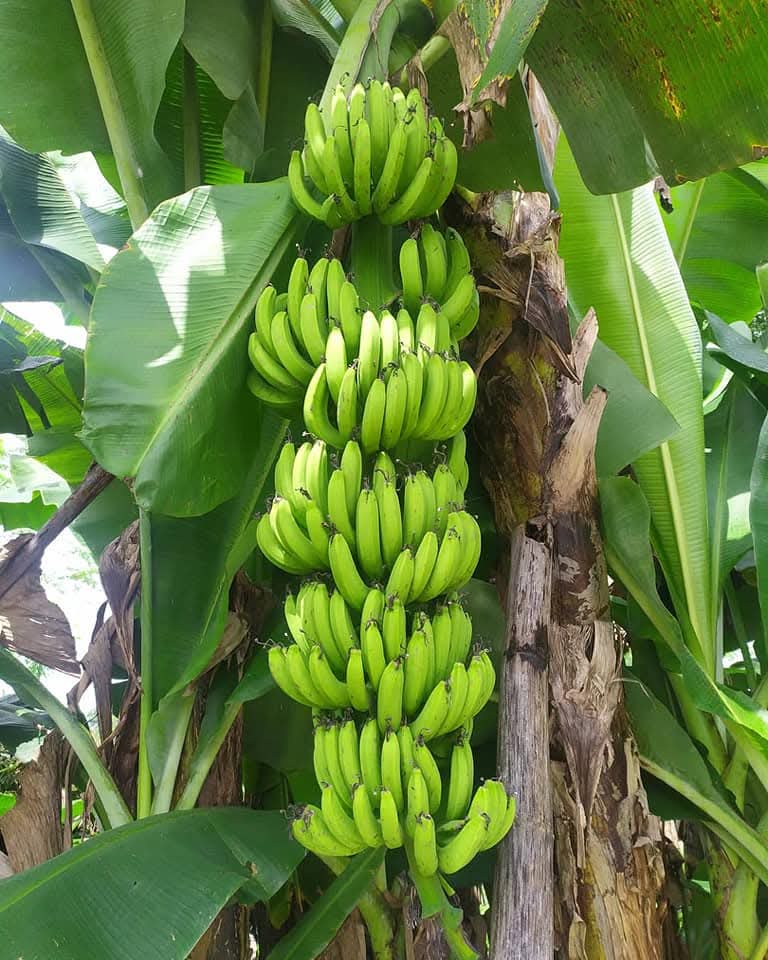
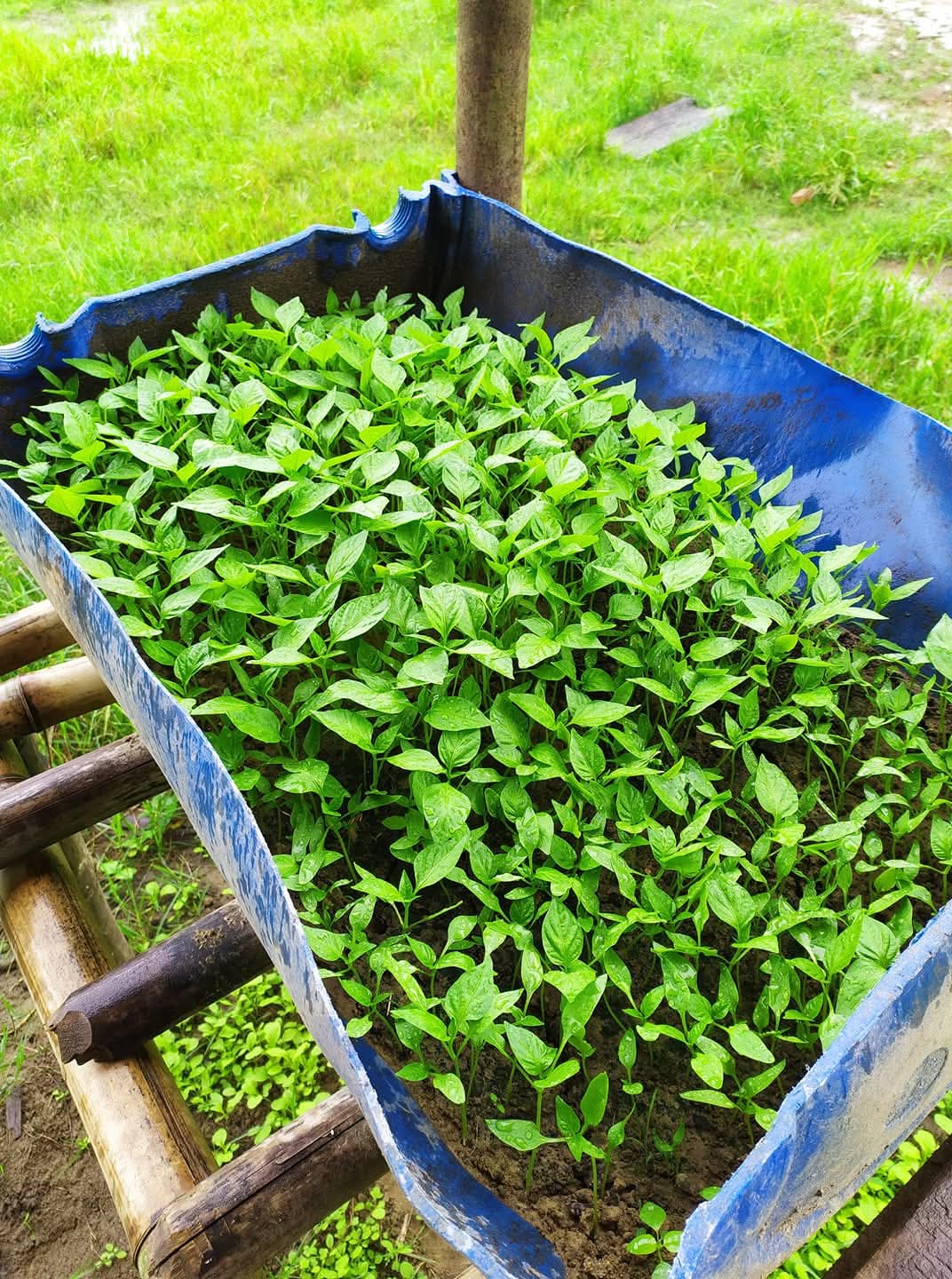
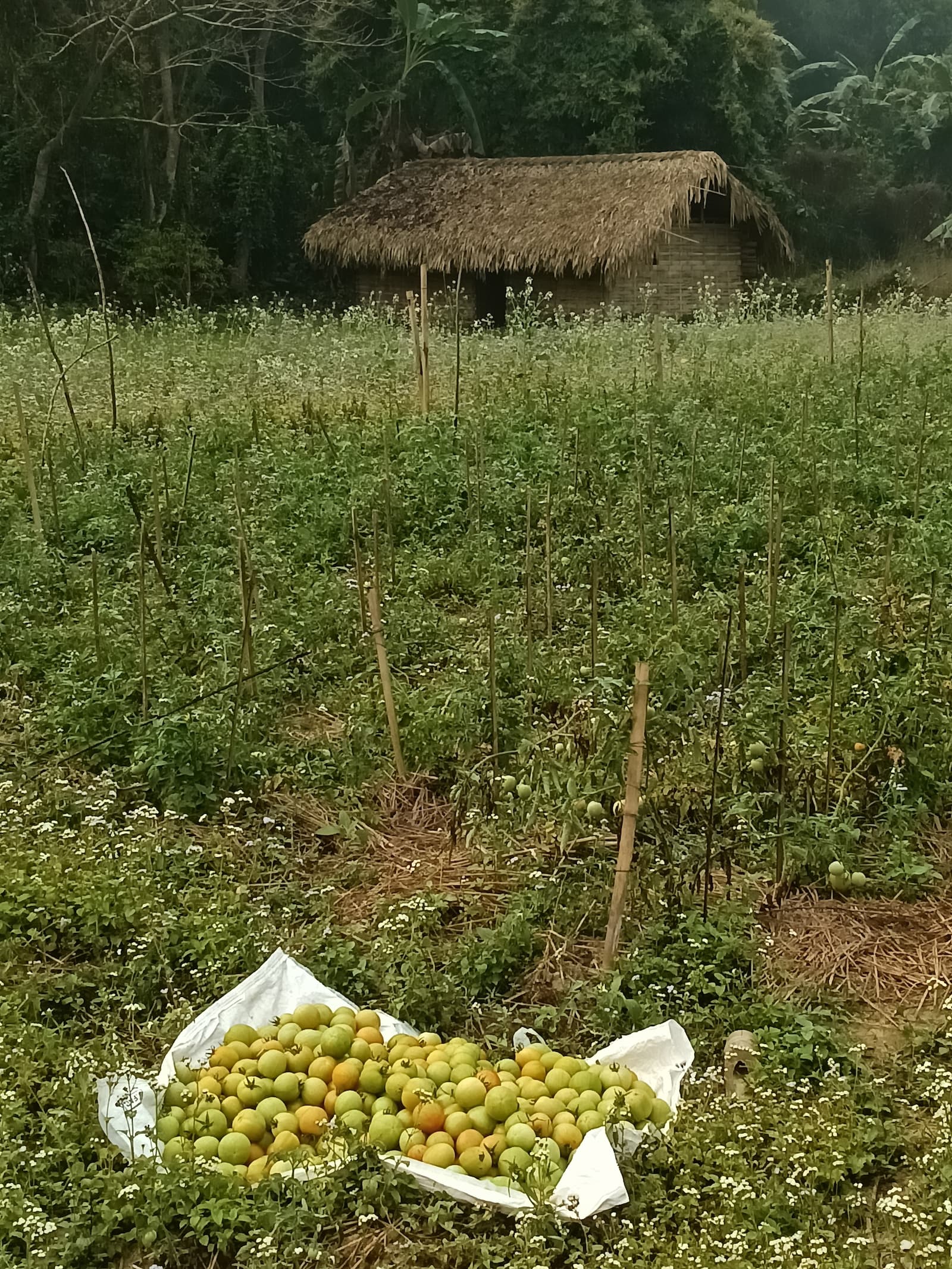
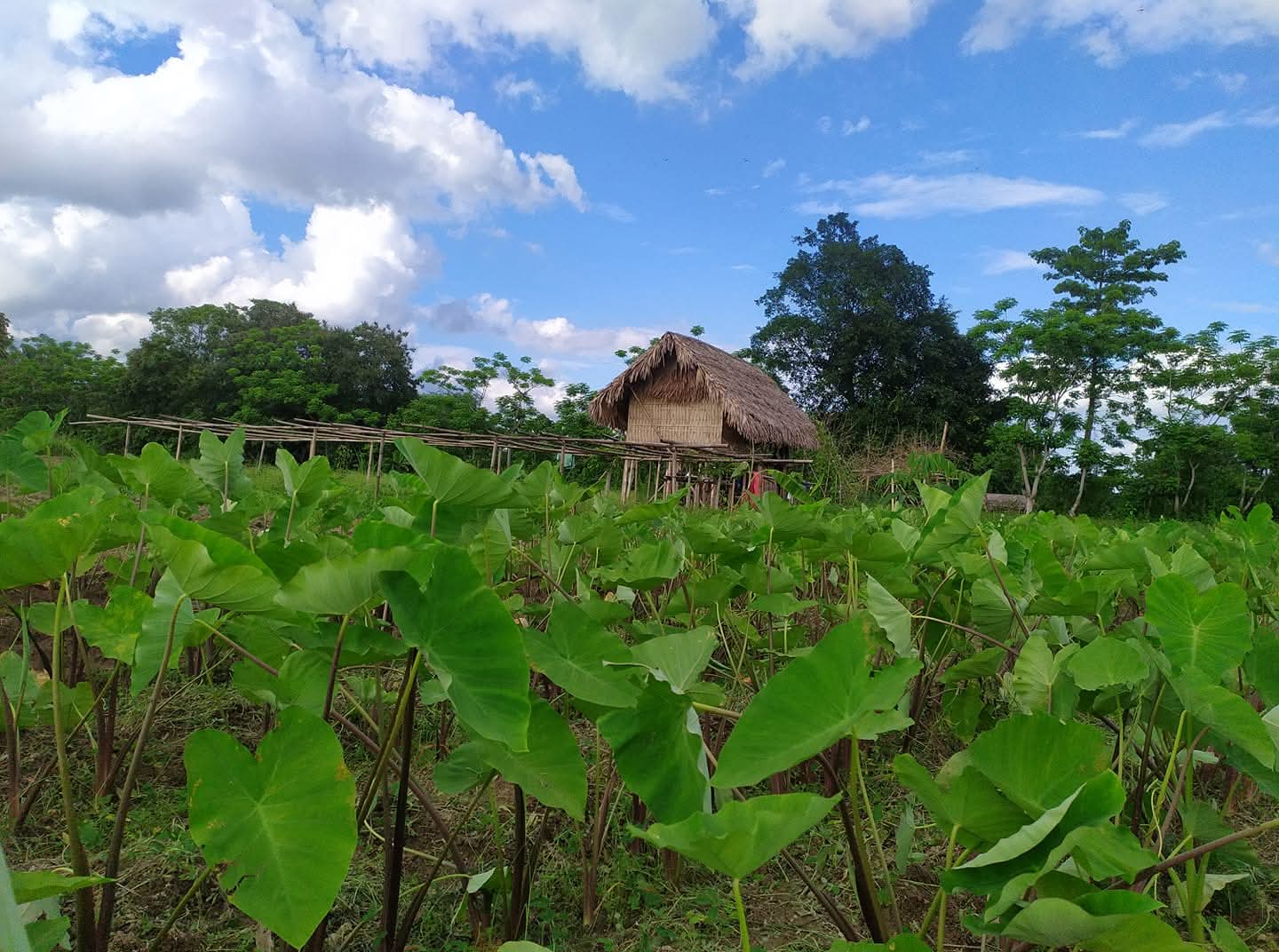
One important dimension of our work is the study and revitalisation of traditional and under-recognised crops.
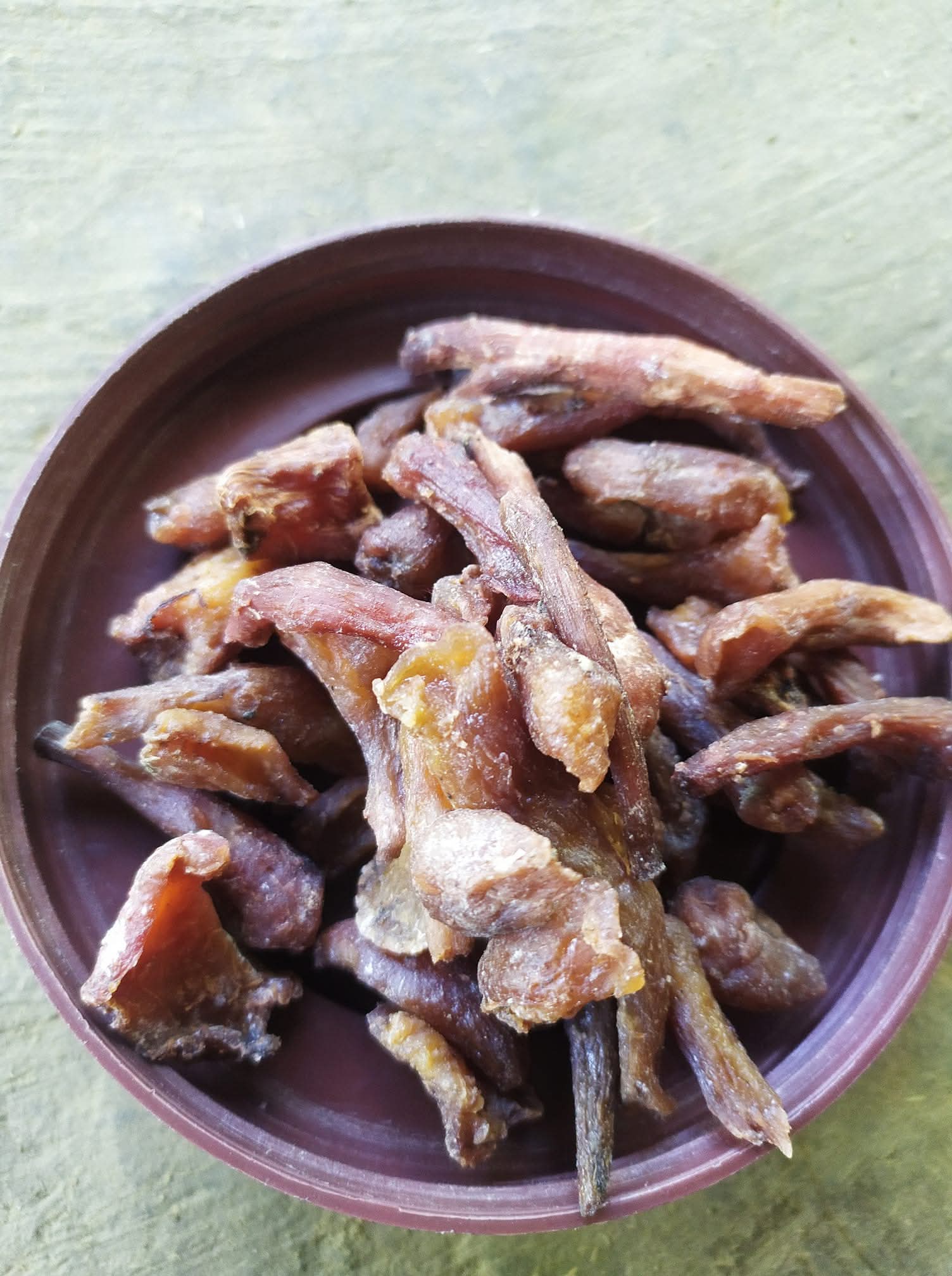
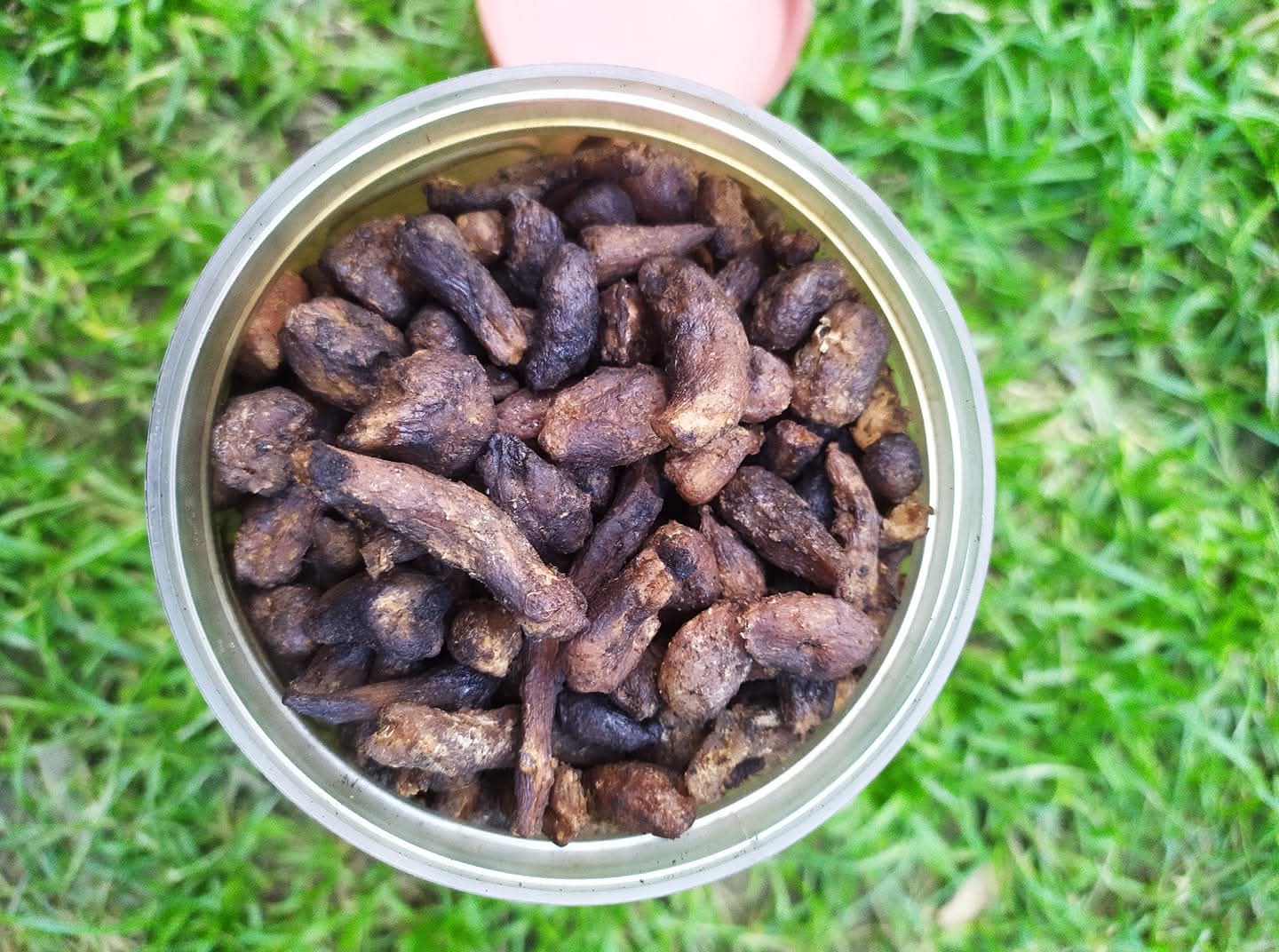
Our work with Kochu or taro (Colocasia esculenta) exemplifies this approach. Kochu has long been cultivated and consumed across Assam and the wider Northeast, including within indigenous and rural food systems. Its capacity to grow under diverse ecological conditions and its cultural presence make it an important crop for understanding local food resilience.
Yet crops such as kochu are frequently positioned at the margins of dominant agricultural and economic systems.
We are interested in understanding why certain crops become economically and culturally marginalised, despite their ecological and nutritional significance. This requires looking beyond cultivation itself towards questions of markets, storage, processing, consumer perception, agricultural policy and knowledge transmission.
Our approach therefore combines documentation, farmer engagement, research, cultural interpretation and value addition. We explore whether traditional crops can participate in contemporary economies without being detached from the ecological and cultural systems from which they emerge.
The objective is not simply to commercialise indigenous crops, but to investigate whether new economic possibilities can be created while strengthening biodiversity, farmer livelihoods and local food cultures.
Food Systems and Rural Livelihoods
Ecological sustainability cannot be separated from economic sustainability.
Small and marginal farmers frequently experience structural vulnerabilities arising from fluctuating markets, climate variability, crop losses, limited storage infrastructure, rising production costs and restricted access to institutional support. Asking farmers to conserve traditional varieties or adopt ecological practices without addressing these economic conditions is insufficient.
Our understanding of agroecology therefore incorporates the question of livelihood resilience.
We seek to explore local value chains, processing, value addition, community enterprises and alternative economic possibilities around traditional crops and agricultural knowledge. Such interventions can potentially increase the value retained within rural communities while reducing the vulnerability associated with selling raw agricultural produce alone.
In this sense, agriculture becomes not simply a question of food production but a question of economic justice and rural self-determination.
Culture as an Agricultural Archive
Food systems also constitute cultural archives.
The crops cultivated by a community are connected to its culinary practices, festivals, rituals, oral histories, social relationships and memories of particular landscapes. Agricultural change can consequently produce cultural change.
When a crop disappears from cultivation, the knowledge surrounding its cultivation, preparation and use can disappear alongside it.
Documentation is therefore an important component of our practice. Through oral histories, visual documentation, film, writing, artistic research and community-based archives, we seek to document agricultural knowledge and the cultural worlds surrounding it.
However, documentation for us is not an extractive act. The purpose is to contribute towards community ownership, intergenerational transmission and public understanding of local knowledge.
This principle is particularly relevant to our work with indigenous communities, whose cultural and ecological knowledge has frequently been represented through external frameworks. We seek instead to facilitate forms of documentation in which communities participate as authors, interpreters and custodians of their own knowledge.
Art, Agriculture and Ecological Imagination
The relationship between agriculture and artistic practice is fundamental to our methodology.
Art enables us to investigate agriculture not only as a technical process but as a cultural and sensory experience. Landscape, soil, seed, labour, memory and food can become subjects through which larger questions of ecology and society are examined.
Our practice incorporates visual art, film, writing, installation, storytelling and participatory forms of cultural production. These approaches allow us to communicate agricultural knowledge through forms that may reach audiences beyond conventional scientific or development frameworks.
We understand artistic practice as a form of research and knowledge production.
Art can make visible relationships that are otherwise difficult to perceive. It can create spaces for dialogue, challenge dominant representations of rural and indigenous communities, and encourage alternative ways of imagining ecological futures.
In this sense, art is not an ornamental addition to our agricultural work. It is part of our methodology for observing, questioning and communicating ecological relationships.
Children and Intergenerational Knowledge
Ecological resilience ultimately depends upon the transmission of knowledge across generations.
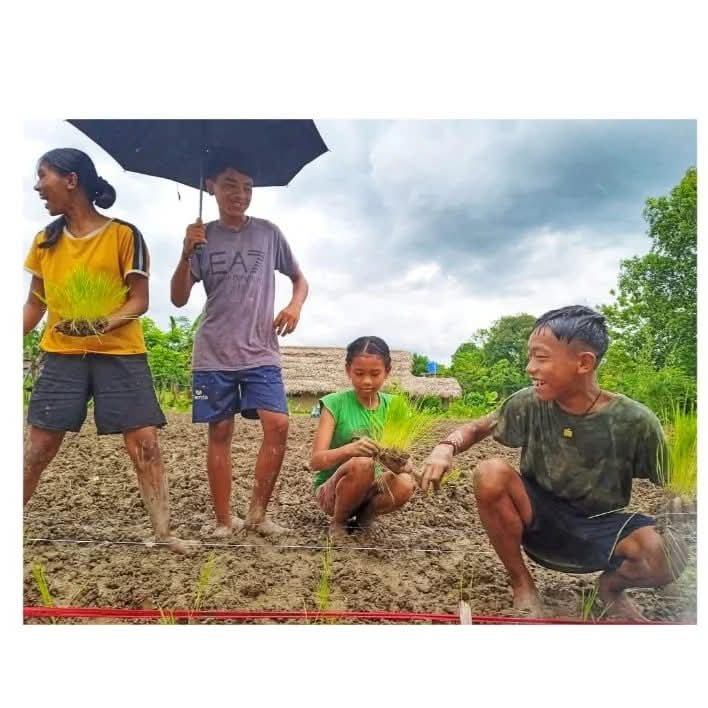
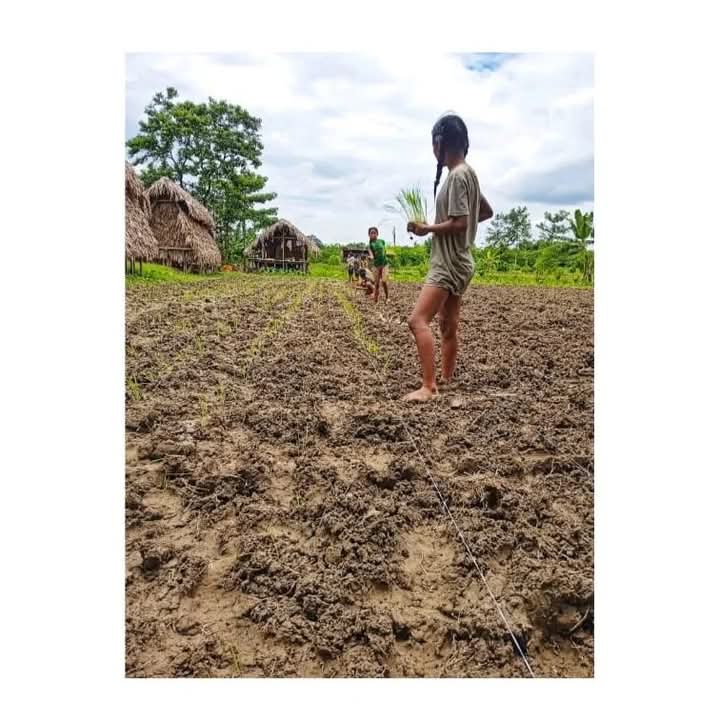
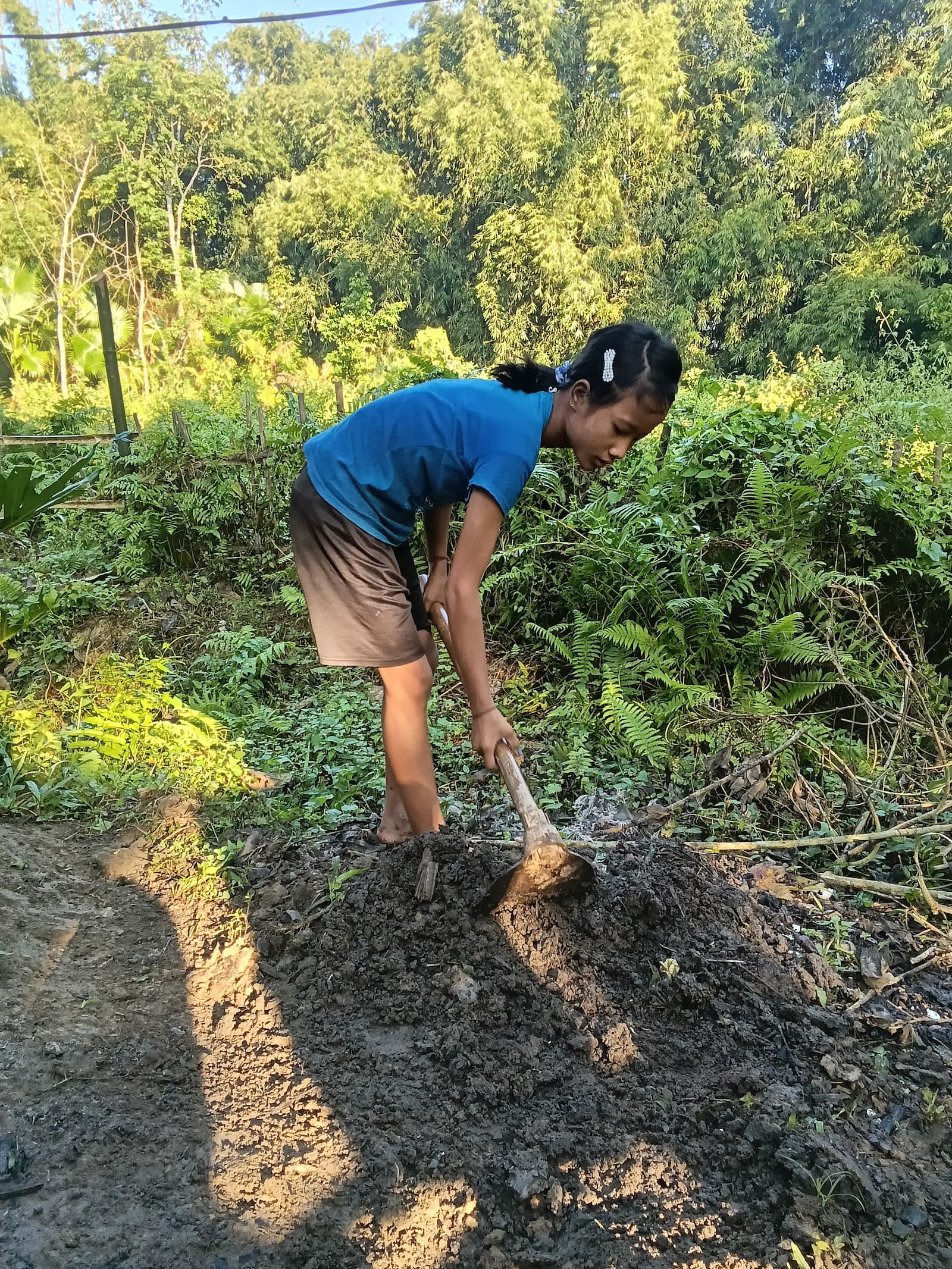
Our engagement with children seeks to create opportunities for learning through direct relationships with soil, plants, food, landscape and community. Through gardening, art, storytelling, cultural practices and ecological education, children can encounter agriculture as a field of knowledge rather than merely as an economic occupation.
Such engagement is important because contemporary processes of migration, technological change and educational standardisation can create increasing distance between younger generations and local ecological knowledge.
We therefore seek to create pedagogical spaces in which children can learn from farmers, elders, artists and the landscape itself.
The objective is not to reproduce traditional knowledge unchanged, but to enable younger generations to inherit, question, reinterpret and extend it.
Community as the Site of Knowledge Production
The methodological foundation of Soil Collective Foundation is community participation.
We do not approach communities simply as beneficiaries of externally designed interventions. Instead, we consider communities to be active sites of knowledge production.
Our work is therefore oriented towards participatory research, community-led documentation, collaborative learning and locally grounded experimentation.
This approach is particularly significant within indigenous contexts, where development and cultural documentation have historically been shaped by institutions and researchers located outside the community.
We seek to develop alternative relationships in which research, documentation and creative practice are undertaken through dialogue and reciprocal exchange.
The community is not the subject of our work. The community is a collaborator in producing the knowledge through which the work becomes possible.
From Resilience to Transformation
The concept of resilience is central to our work, but we understand resilience not simply as the capacity to withstand crisis.
For us, resilience also involves the capacity to adapt, reorganise and create new possibilities.
In the context of Northeast India, agricultural communities face multiple and interconnected pressures: climate variability, flooding and erosion, ecological degradation, changing agricultural technologies, declining crop diversity, market instability, migration and the erosion of traditional knowledge.
These challenges cannot be addressed independently.
A resilient food system therefore requires an integrated approach in which ecological health, cultural continuity, economic viability and community agency reinforce one another.
This is why our work moves across agriculture, ecology, culture, education, art and livelihoods.
Growing Food as a Practice of the Future
The Growing Food movement is ultimately an attempt to rethink the relationship between human beings and the systems that sustain them.
We ask what agriculture might become when farmers are recognised as knowledge producers; when seeds are treated as commons rather than merely commodities; when soil is understood as a living ecosystem; when indigenous crops are valued for their ecological and cultural significance; when children learn through direct engagement with land; when art becomes a method of ecological inquiry; and when local food systems are capable of generating dignified livelihoods.
Our objective is not to construct a nostalgic return to an imagined past. Nor is it to reject modernity, technology or scientific knowledge.
Instead, we seek a critical and generative dialogue between inherited knowledge and contemporary possibilities.
We believe that the future of food requires diversity rather than uniformity, participation rather than extraction, ecological responsibility rather than short-term productivity, and local agency alongside wider networks of knowledge and exchange.
Growing food, in this understanding, becomes an intellectual, ecological and political act.
It is a practice through which communities negotiate their relationship with land.
It is a means of conserving biodiversity.
It is a mechanism for transmitting knowledge.
It is a foundation for livelihoods.
It is a cultural practice.
It is an educational process.
And it is a way of imagining alternative futures.
Soil Collective Foundation works towards food systems in which ecological health, cultural knowledge, community agency and economic dignity are not competing objectives, but interconnected foundations of a resilient society.
We believe that the work of transforming food systems begins at the smallest scale: with a seed, a patch of soil, a farmer, a child, a meal, a conversation.
From these relationships, larger systems can grow.
We grow food not simply to feed people, but to cultivate the ecological knowledge, cultural memory, community resilience and collective imagination required to sustain life.
✦✦✦